Before You Start: Planning & Permits
So, you're thinking about adding a deck to your pool, or maybe you're just getting a pool and want to plan for the perfect deck. Smart move! A good pool deck isn't just about looking nice; it's really about keeping everyone safe, making things work well, and turning your backyard into a true oasis. But hold on a second! Before you even think about grabbing a hammer, there are some super important steps you need to take, especially if you're here in Pittsburg, CA.
Know Your Local Rules
First things first: permits. Seriously, you absolutely need them. Don't even try to skip this part, because it will cost you a lot more trouble and money later on. The City of Pittsburg has specific rules for swimming pools, spas, and hot tubs, and guess what? That includes all the stuff around them, like decks. You'll want to check out Chapter 18.84 and Chapter 15.56 of the city's municipal code. For example, your pool, spa, or hot tub needs a fence around it that's at least five feet high, and that fence can't have any gaps bigger than four inches. Also, your pool can't be closer than five feet to a side or rear property line. These aren't just polite suggestions; they're actual laws designed to keep everyone safe. Oh, and here's another detail: your deck needs to slope away from the pool for drainage, usually between 1% and 2%. This prevents standing water, which can be a real slip hazard and, frankly, a perfect spot for algae to grow.
When you apply for permits, you'll need approved plans. And when it's time for inspections, if you can't be there yourself, you can arrange for someone else (who's 18 or older) to be present with the permit and plans ready to go. If it's an outdoor inspection, like for a pool, please make sure your dogs are secured, and you've put up a "Permission to Inspect" notice. Trust me, the city inspectors are thorough, and you want to make their job as easy as possible so your project doesn't get held up.
Budgeting for Your Pool Deck
Okay, let's talk about money. Pool decks aren't exactly cheap, but they are a solid investment in your home. The average cost to build one can swing anywhere from $5,000 to $20,000, though it really depends on how big it is, what materials you pick, and how complicated the design gets. Some folks even say the average is around $12,500. If you're thinking about a deck for an above-ground pool, a small platform might run you $2,500-$4,500, while a half-wrap could be $6,000-$10,000. In-ground pool decks can range from $7,000 to $25,000 or even more, with labor alone costing $15-$35 per square foot. Don't forget permit fees, which can be anywhere from $450 to $2,400. So, get a few quotes, really understand what each one includes, and always, always set aside some extra cash for unexpected things that pop up.
Choosing Your Materials: DIY vs. Pro
Now for the fun part: what will your deck actually be made of? This is where you really figure out how much DIY you're willing to tackle. There are tons of choices, each with its own good points and bad points.
-
Concrete: People love concrete, and for good reason. It lasts a long time, you can color it and stamp it with patterns, and it doesn't need much upkeep. You can even get special "cool decking" applied to keep it from getting too hot. The downside? It can crack, and pouring it correctly is definitely a job for professionals, not a weekend DIY project. Concrete shrinks as it dries, which can cause tension, you see.
-
Pavers: Whether they're concrete, stone, or brick, pavers are tough and don't mind moisture. If one gets messed up, you can just swap out that single piece. They come in tons of styles and can be slip-resistant, which is nice around a pool. Natural stone pavers, like travertine, can feel cooler under your feet than dark concrete. But, some pavers might fade or stain, and natural stone often needs sealing. Getting them installed right can be tricky too, especially making sure the drainage is good and the surface is perfectly level.
-
Wood: Natural wood, like redwood or cedar, gives you that classic, warm look. It's pretty easy to work with if you're handy, but it demands a lot of maintenance – you'll be cleaning, sanding, and sealing it regularly to stop rot, splinters, and mold. It can also get pricey depending on the type of wood. Plus, wood can get incredibly hot under our Pittsburg summer sun, and it's prone to mold and mildew, which is a drag.
-
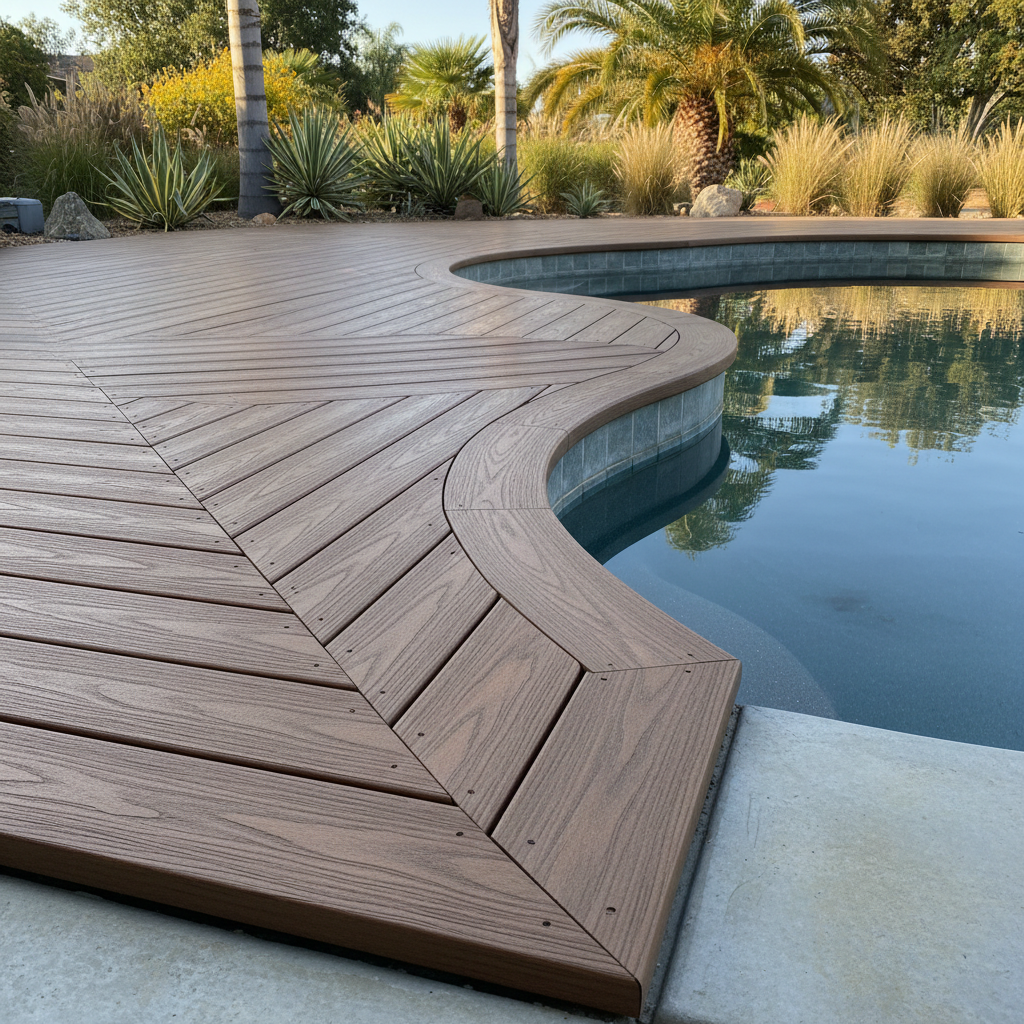
Composite Decking: This stuff is a mix of wood and plastic, and honestly, it's a low-maintenance dream. It won't rot, splinter, or ever need sealing. The initial cost is higher than wood, sure, but you save a bunch on maintenance down the road. It's a fantastic choice if you want the look of wood without all the headaches.
For most of these materials, especially concrete or those fancy paver layouts, I'd really suggest calling a pro. While you might be able to lay some basic pavers yourself, getting the base right, ensuring the proper slope for drainage, and just handling the sheer amount of material is a huge undertaking. Pittsburg Deck & Porch has seen enough DIY projects go sideways to know when it's just better to bring in the experts.
During the Project: What to Watch For
Even if you hire a contractor, it's smart to know what's going on. Make sure they're sticking to the approved plans and local building codes. Double-check that the drainage slope is correct – you absolutely don't want water pooling up against your house or in low spots. Here in our area, with the clay soil we sometimes contend with, good compaction and a solid base are super important, especially for concrete or pavers, to prevent settling and cracking later on.
For wood or composite decks, make sure all the fasteners are stainless steel or have the right coating to prevent rust, especially with all that moisture around a pool. And always, always ensure safety barriers are put up as soon as possible, even while construction is happening, to prevent accidents. It's just common sense.
After the Project: Keeping Your Pool Deck Pristine
Your new pool deck is in, and wow, it looks fantastic! Now, how do you keep it looking that good? Maintenance is key, and you can definitely handle a lot of it yourself.
Regular Cleaning
Cleaning daily or weekly is a must. Sweep or use a leaf blower to get rid of debris like leaves and dirt. Then, just rinse the deck with a garden hose. For a deeper clean, a mild dish soap solution and a soft brush work wonders on most surfaces. If you have stubborn stains, baking soda or a vinegar solution can often help. If your deck is concrete, stone, or brick, you can use oxygenated bleach mixed with warm water and a little dish soap, but please avoid chlorine bleach on these surfaces. Always rinse everything thoroughly to avoid leaving any soap residue. You can even pressure wash some surfaces, but use a low setting so you don't cause any damage.
Preventing Mold and Mildew
This is a big one, especially with our humid summers. Standing water is mold's best friend, no kidding. Make sure your drainage stays clear and that the deck slopes correctly. Trim back any plants or bushes that are stopping air from circulating. For wood decks, a mix of white vinegar and water can really tackle mold and mildew. For tiles and grout, a diluted bleach solution during the humid months can stop growth before it starts.
Sealing and Inspections
If you have concrete or natural stone, you'll need to seal it every 1-2 years. This protects it from water damage, stains, and UV exposure. Good news: this is definitely a DIY job you can handle. Just make sure the deck is clean and dry before you put on the sealant. Regularly check your deck for any cracks, loose tiles, or drainage issues and deal with them quickly. Catching problems early saves you money and a lot of headaches later on.
Taking care of your pool deck isn't just about making it look good; it's about keeping it safe for your family and making it last a long, long time. A little effort goes a surprisingly long way, and knowing when to roll up your sleeves and when to call in a local pro like Pittsburg Deck & Porch will ensure your pool area stays a place of enjoyment for years to come.